
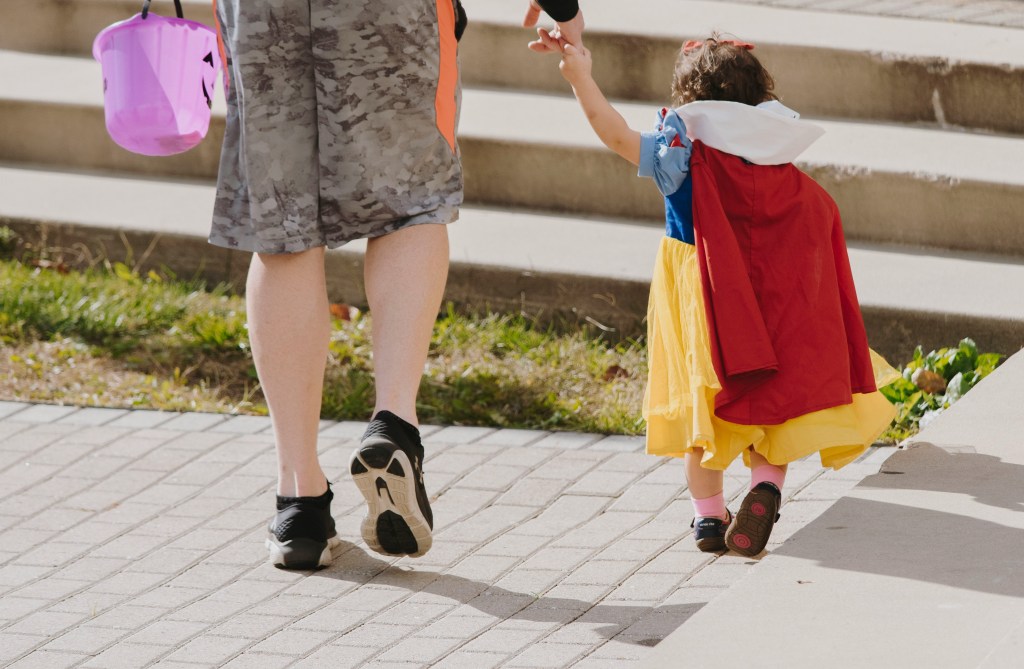
Halloween is back, and with it comes the excitement of costumes, candy, and fun-filled nights of trick-or-treating. As parents, it’s our job to ensure that while our little ghosts and goblins enjoy the magic of the season, they’re doing so safely. Whether it’s navigating busy streets after dark, choosing the perfect (and safe) costume, or staying mindful of 2024’s latest health and safety recommendations, this guide has you covered. Let’s make this Halloween not only spooktacular but risk-free for your family!
Choosing Safe Costumes
When selecting costumes, prioritize bright and visible options. According to the National Safety Council, dark-colored costumes can make it difficult for drivers to see children, especially in low-light conditions. Enhance visibility by incorporating reflective tape or stickers into the costume design. Masks, though popular, can obstruct vision. The American Academy of Pediatrics suggests using face paint or makeup to ensure clear sight and easy breathing, reducing the risk of accidents.
Planning Well-Lit Routes
According to Safe Kids Worldwide, the majority of pedestrian accidents involving children occur at night. To minimize this risk, plan trick-or-treating routes in well-lit areas where streetlights illuminate the sidewalks. Carry flashlights or glow sticks to make your group more visible to drivers. Also, familiarize yourself with the route beforehand, avoiding busy streets and areas with heavy traffic to ensure a safer Halloween experience.
Adult Supervision is Key
The Centers for Disease Control and Prevention (CDC) recommends that young children trick-or-treat with a responsible adult. Older children can go in groups, but it’s crucial to set a curfew and establish clear rules. Regular check-ins via phone or text messages can provide an additional layer of security, allowing parents to know their child’s whereabouts throughout the evening.
Stranger Danger
Halloween excitement should not override safety precautions. Remind children about the importance of not entering strangers’ homes or accepting rides from unfamiliar individuals. According to the National Crime Prevention Council, establishing a clear understanding of these rules can empower children to make safe decisions.
Candy Inspection
The Food and Drug Administration (FDA) recommends inspecting all treats before consumption. While tampering incidents are rare, it’s essential to discard any unwrapped or homemade items. Organizing a candy swap with other parents can also provide a safer assortment of treats for your child, ensuring a worry-free indulgence.
Pet Safety
The American Veterinary Medical Association advises pet owners to keep their furry friends in a secure, separate room away from the front door during Halloween festivities. Constant doorbell ringing and strangers in costumes can cause stress and anxiety for animals. Additionally, pets can knock over decorations, potentially causing harm to themselves or others.
Being Mindful of Allergies
The Asthma and Allergy Foundation of America highlights the importance of allergy awareness during Halloween. If your child has food allergies, ensure they understand which candies are safe to eat. Carrying safe snacks or allergy-friendly candies can be a proactive way to address potential allergic reactions, promoting a safer and more enjoyable experience.
Home Safety
To prevent accidents, ensure your home is safe for trick-or-treaters. Clear walkways and stairs of obstacles to avoid trips and falls. Use battery-operated candles or LED lights instead of real flames in jack-o’-lanterns and other decorations to prevent fire hazards. A well-lit home not only enhances safety but also creates a welcoming atmosphere for visitors.
Fire Safety
The U.S. Fire Administration emphasizes the importance of flame-resistant costumes and decorations. Nylon and polyester costumes are less likely to catch fire compared to cotton. Educate children about the dangers of open flames and ensure costumes are kept a safe distance from jack-o’-lanterns and other lit decorations, reducing the risk of burns and fires.
Emergency Plan
According to the National Center for Missing & Exploited Children, it’s crucial for children to know their full name, phone number, and address in case they get separated from the group. Consider using temporary tattoos or writing this information on a piece of paper tucked in their pocket. Having a well-communicated emergency plan can provide parents and children alike with peace of mind, ensuring a safe and enjoyable Halloween celebration.
updated Oct 2014
 Way To Go Parents