
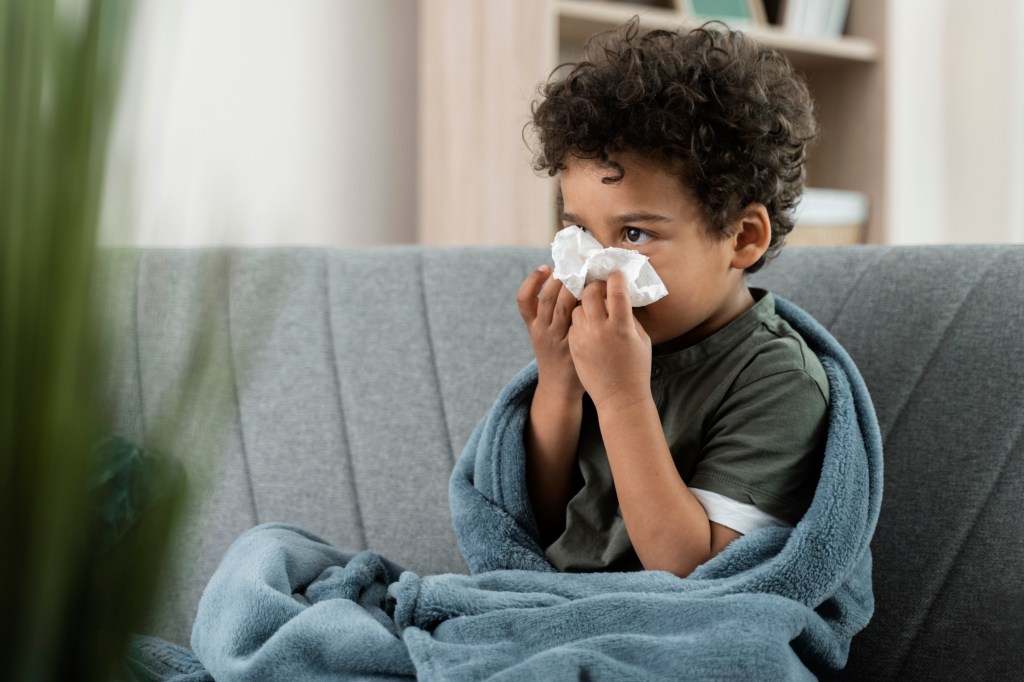
Seasonal allergies can make life uncomfortable for children, especially during peak pollen seasons. As the seasons change, children may experience symptoms such as sneezing, itchy eyes, runny noses, and even skin rashes. Fortunately, there are ways to help manage these symptoms and keep your child healthy. Here are the top six tips for parents to help their kids navigate allergy season:
Know the Triggers
The first step in managing seasonal allergies is understanding what triggers your child’s symptoms. Common allergens include pollen from trees, grasses, and weeds, mold spores, and dust mites. Keep track of when your child’s symptoms worsen – for instance, during a specific season or after spending time outside. This information can help you and your child’s pediatrician identify specific allergens and develop a plan to reduce exposure. The American Academy of Pediatrics (AAP) emphasizes that identifying and avoiding triggers is critical to managing allergy symptoms effectively.
Stay Ahead of Allergy Season
Prevention is a powerful tool in managing allergies. Keep an eye on local pollen counts through weather websites or apps, which provide daily updates. When pollen counts are high, limit your child’s outdoor activities. Be especially cautious during peak pollen times in the morning and late afternoon. Wearing sunglasses and a wide-brimmed hat can also help protect their eyes and hair from pollen. The Asthma and Allergy Foundation of America (AAFA) recommends planning outdoor activities when pollen levels are lower to minimize exposure.
Keep Your Home Allergen-Free
Minimizing indoor allergens is essential, especially since kids spend a significant amount of time indoors. Use high-efficiency particulate air (HEPA) filters in your home’s heating and cooling systems. Vacuum regularly with a HEPA filter vacuum. Washing bedding weekly in hot water and using allergen-proof covers on mattresses and pillows can further reduce allergens. Additionally, consider investing in a HEPA air purifier. It helps capture airborne allergens like pollen, dust, and pet dander. This ensures cleaner indoor air. On high-pollen days, keep windows closed and use air conditioning to filter the air. The Mayo Clinic suggests that these steps can significantly decrease indoor allergens and improve your child’s comfort.

Create a Healthy Daily Routine
Good daily habits can play a significant role in keeping allergies at bay. Encourage your child to wash their hands and face regularly, especially after playing outside. Showering and changing clothes after outdoor activities can help remove allergens from their skin and clothes. Staying hydrated by drinking plenty of water is also helpful, as it can thin mucus and ease congestion. The Cleveland Clinic highlights that proper hydration can help manage allergy symptoms more effectively.
Use Medications Wisely
When allergies persist despite preventive measures, over-the-counter or prescription medications can provide relief. Antihistamines, decongestants, and nasal sprays are common treatments. It’s essential to consult with your child’s pediatrician before starting any medication. This ensures that the medication is safe and appropriate for their age and specific symptoms. KidsHealth advises parents to seek professional guidance to use medications safely and effectively.
Consider Natural Remedies
Some parents find that natural remedies can help manage their child’s allergy symptoms. Saline nasal rinses can clear allergens from nasal passages, and consuming local honey is believed by some to help build immunity to local pollen over time. However, these remedies should be approached with caution. It’s important to consult with a healthcare professional to ensure they do not interfere with other treatments or medications. The National Center for Complementary and Integrative Health (NCCIH) recommends being cautious with natural remedies and always seeking professional advice.
By focusing on these tips, you can help manage your child’s seasonal allergies more effectively. This will keep them feeling their best throughout the year. Remember, every child is different, and finding the right combination of prevention and treatment can make all the difference. Work closely with your pediatrician. Stay informed about allergens. This can ensure your child enjoys each season to the fullest. They can avoid the discomfort of sneezing and sniffles.
Disclaimer: Some links may be Amazon affiliate links. This means that if you make a purchase through these links, we may earn a small commission at no additional cost to you.
 Way To Go Parents