
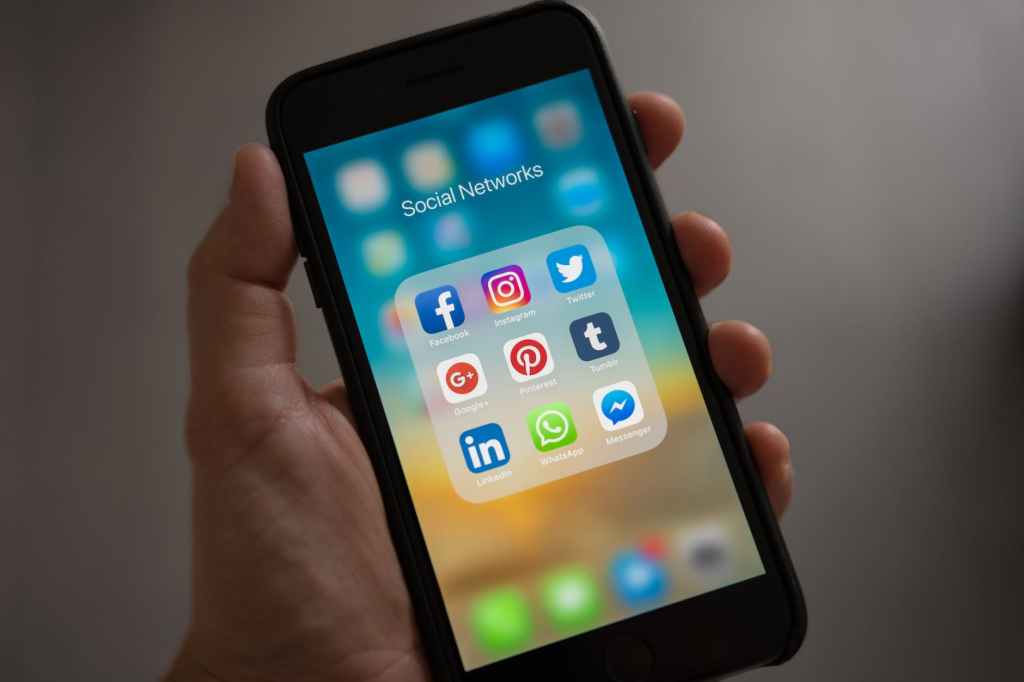
As a parent, it’s natural to want to keep your children safe and protected, especially when it comes to their online activities. The internet can be a great resource for learning and entertainment, but it’s important to be aware of the potential dangers that can lurk online.
An article in Psychology Today presented ways for keeping your kids safe while they’re using the internet.
Here are three important tips in keep in mind:
Focus on “screen use” rather than “screen time”
It is natural to be concerned, and a little anxious, about some of the content online, especially on social media. But, for many young adults, it can be a place of comfort. A recent Pew study found that 80 percent of teens say social media provides them with a space for connection with peers, creativity, and an opportunity to seek support. With an added rise in adolescent mental health issues, many kids and teens are using their online time to seek support, connect with friends, or offer comfort others.
Shifting the conversation from “screen time” to “screen use” focuses on the benefits of technology, such as doing research and making connections globally, and lets our kids see how to use their screen time wisely.
Spend time on the same apps as your kids
We can’t guide our kids on what to look out for online if we don’t know the apps they are using ourselves. So, make an account and explore to get a sense of what they are looking at. According to a survey of parents of 13 to 17-year-olds, 82 percent think it’s important for them to spend time using the same online platforms as their teens to better understand or facilitate conversations with them.
And many site make this easier by offering “family services”, like TikTok’s Family Pairing or Instagram’s Family Center. Each offer ways to link parents and kids accounts and access to privacy and safety controls.
Importantly, know that if and when you decide that your child is mature enough to open their own social media accounts, the minimum age for using most sites is 13. If they are asking to open one, let them know that you can make an account and help to decide the best use of the account.
Help teach your kids how to point out misinformation
Using the internet for making connection and gathering research is one of the virtues of the many sites online. However, because of the “user-generated” nature of many of the sites, there can also be a lot of misinformation being spread.
An example of this can be seen in the use of the hashtag #mentalhealth. There are millions of videos on TikTok of users providing advice and tips on mental health treatments and tips. However, they are not all credible. An analysis from the Plushcare on the accuracy of mental health advice on TikTok showed that 83 percent of videos contained misleading advice and 14 percent contained advice that was deemed potentially damaging or harmful by mental health experts.
But, sitting with our kids to teach them how to analyze online information themselves can help to better recognize advice that could be misleading or harmful.
Find the rest of the tips on the Psychology Today website: https://www.psychologytoday.com/us/blog/raising-humans-in-a-digital-world/202301/5-ways-parents-can-keep-kids-safe-online
 Way To Go Parents